Introduction to Hand Crochet and Needlework
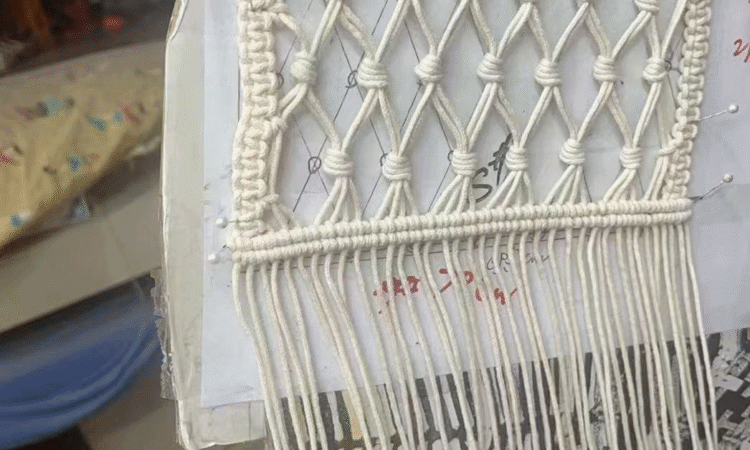
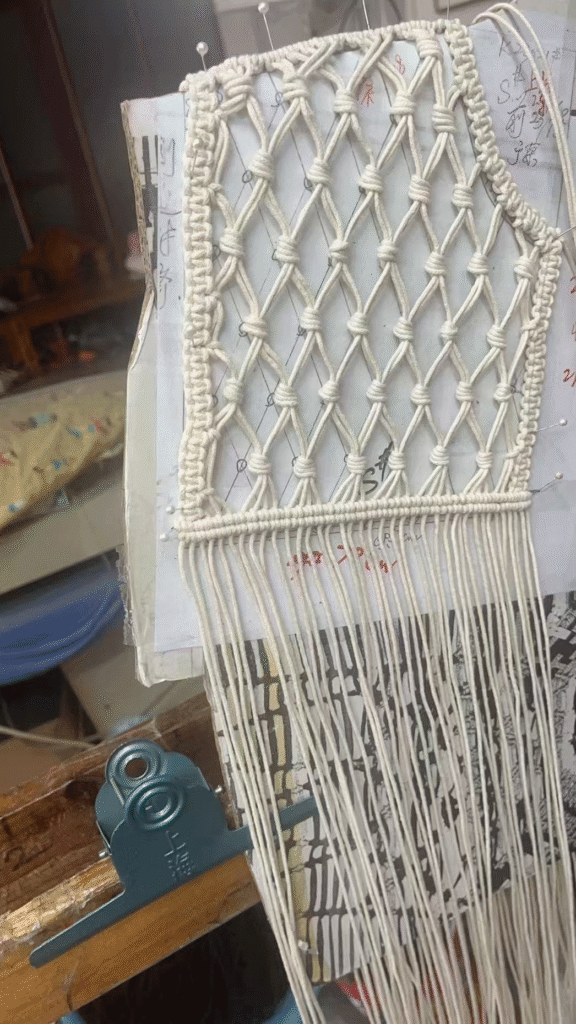
Hand crochet and needlework have been integral parts of clothing manufacturing for centuries. These traditional techniques are not only a means of creating garments but also serve as a form of artistic expression. With the rise of fast fashion, the value of handmade clothing is often overlooked; however, the craftsmanship involved in hand crochet and needlework adds unique qualities to apparel that machine-made items simply cannot replicate.
The Benefits of Hand Crochet in Fashion
One of the primary benefits of incorporating hand crochet into clothing manufacturing is the level of customization it provides. Designers can create intricate patterns and textures that cater to specific styles and trends. Furthermore, hand-crocheted garments often use natural fibers, enhancing their comfort and breathability. Those who appreciate sustainable fashion tend to gravitate toward clothing made with these traditional methods, recognizing the environmental impact of mass production.
Needlework: A Timeless Technique
Needlework, much like hand crochet, plays a significant role in enhancing the aesthetic appeal of clothing. Techniques such as embroidery, appliqué, and quilting add depth and personality to designs. These needlework methods can transform a simple piece of fabric into a stunning garment full of character. In the competitive landscape of fashion, incorporating these artisanal strategies can help brands stand out while connecting them with their heritage.
In conclusion, hand crochet and needlework not only enrich clothing manufacturing but also elevate the art of garment creation to new heights. As consumers lean towards unique, quality pieces, these traditional techniques are sure to remain relevant in the ever-evolving fashion industry.